

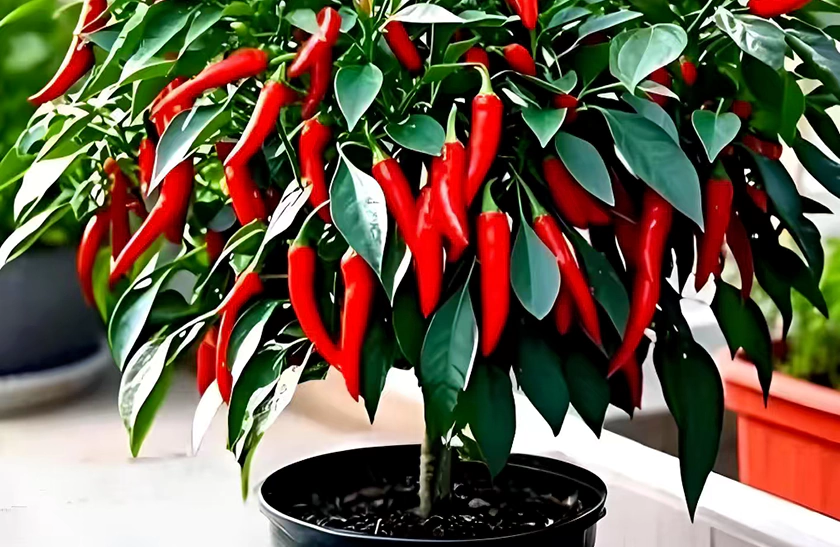
1. Choosing the Right Variety
There are countless varieties of ornamental and edible peppers available, from Bird’s Eye and Thai Chilies to vibrant Multicolor Peppers and even rare black varieties. Many hobbyists love Multicolor Peppers because they shift through shades of green, purple, yellow, and red as they ripen, offering incredible ornamental value. Peppers are perfect for beginners! As part of the Solanaceae (Nightshade) family—alongside tomatoes and eggplants—their care requirements are very similar and easy to master.
2. Sowing & Seedling Techniques
Success starts with proper seed starting.
- Containers: Use small seedling trays to ensure proper spacing between plants.
- Soil Mix: A ratio of 3:1 Peat Moss to Fine Coconut Coir is ideal. You can also use loose garden soil or leaf mold.
- Process: Once temperatures stay above 18°C (64°F), sow 1–2 seeds per cell. Keep the soil slightly moist in a ventilated area with filtered light. As sprouts emerge, gradually increase their sun exposure. Be gentle when watering to avoid washing away the delicate seedlings.
3. Transplanting & Fertilizing
Once seedlings are strong, move them into larger pots.
- The Move: Transplant with the original root ball intact to minimize shock.
- Base Nutrition: Add fermented sheep manure or earthworm castings at the bottom of the pot for long-term fertility.
- Watering: Avoid overwatering during the early stages, as soggy soil leads to “leggy” growth (weak, stretched stems). Water only when the top 2–3 cm of soil feels dry.
- Expert Advice: If you plan to eat your peppers, stick to organic fertilizers. This ensures a healthier harvest and superior flavor.
4. The Ideal Environment
Environment is everything. Peppers grown on open terraces or in yards generally outperform those on windowsills.
- Light: Peppers are sun-worshippers! They need at least 8 hours of direct sunlight daily (Full Sun). Without it, they won’t flower or fruit.
- Temperature: They thrive in warm conditions; keep the temperature above 5°C (41°F).
- Ventilation: Good airflow is the best defense against pests. Most failures in outdoor growing are due to root rot from overwatering or consistent underwatering/lack of fertilizer.
5. Watering & Feeding Skills
- Timing: While seedlings need less water, peppers become “thirsty” once they start flowering and fruiting. During the peak season, check them daily; a day or two without water can cause the leaves to wilt.
- Feeding: Follow the “thin-layer, frequent application” rule. Use a diluted water-soluble fertilizer (e.g., a 1:1500 dilution instead of the standard 1:1000).
- Maintenance: Top-dress with sheep manure every 2–3 months (keeping it away from the main roots) and use organic liquid fertilizers periodically to boost leaf and flower growth.
6. Do Peppers Need Pollination?
Yes! If you grow peppers on a closed balcony or indoors without wind or insects, you must hand-pollinate.
How-to: Use a cotton swab to collect pollen from the stamens and gently dab it onto the central pistil. Without this step, your flowers will simply drop off without producing any peppers.